
How the 2026 Kia Sportage Tops the 2026 Hyundai Tucson
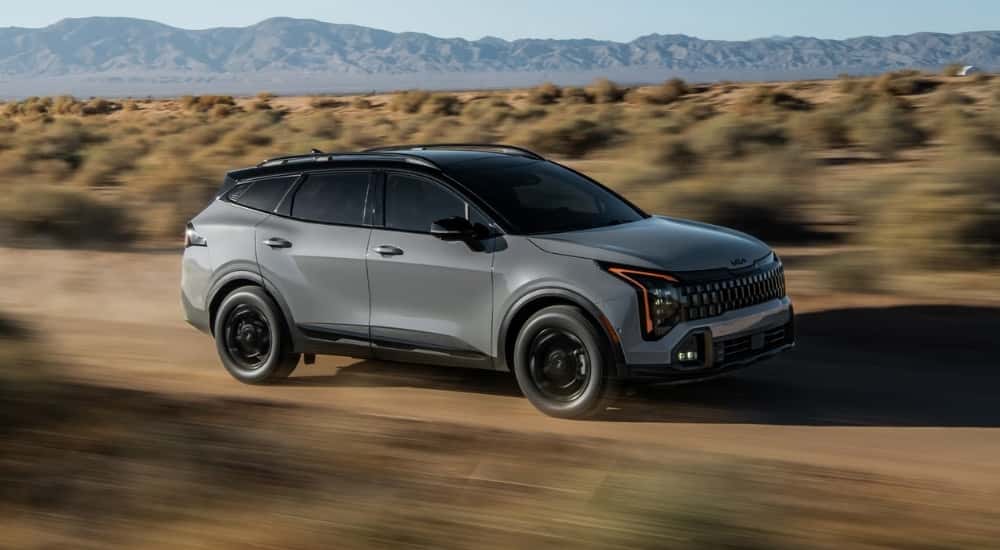
The 2026 Kia Sportage and the 2026 Hyundai Tucson tread a similar line as they’re built on the same fundamental structure, yet they differ in enough ways to distinguish them on the market, especially when it comes to practicality, trim levels, and overall affordability.
Both models excel at uplifting the daily driving experience through exceptional cabin design and modern technology features. As with every SUV from Hyundai and Kia, there’s also a major focus on fuel efficiency, especially when it comes to available hybrid powertrains, which we’ll cover in greater depth.
Throughout this comparison, we’ll dive into the key differences between the two models’ features and functionality where they matter most. Since they were engineered on the same platform, deciding between these two models will ultimately come down to affordability and available features. If you’re looking for a Kia Sportage for sale near Norris, we’ll prove you’re on the right path.
Comfort & Cabin Design
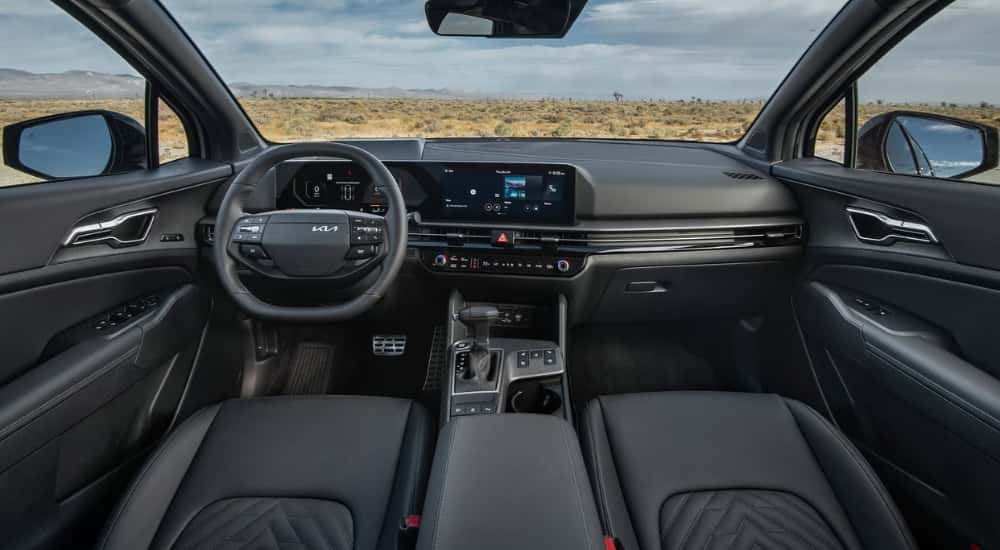
The 2026 Kia Sportage and 2026 Hyundai Tucson both focus on delivering a modern cabin, each with a strong focus on comfort and everyday convenience while remaining within the footprint of a compact SUV. This means an optimized design that takes advantage of every inch of available space to ensure a high degree of comfort across the board.
Functional Cabin Space
Overall interior space is a major factor for drivers when deciding which compact SUV to invest in, especially when passenger comfort is important to your daily routine, such as for school drop-offs or long weekend trips with the family. Fortunately, both models offer spacious room for five passengers, with supportive seating and—for the driver—an easily accessible dashboard console.
The 2026 Sportage delivers slightly comfier passenger space, including marginally wider front seats. The rear row is ideal for children’s car seats or even for hosting three adults. When combined with generous cargo space and the versatile split-folding rear seats (which can be laid flat for more room), the Sportage is exceptionally well-suited for families or group travel.
Versatile Cargo Area
Balancing legroom and passenger space with available cargo space can be a meticulous act, since manufacturers strive to maximize comfort without compromising practicality. This is especially important in compact SUVs, and both the 2026 Kia Sportage and 2026 Hyundai Tucson elevate the available cargo space through intelligent design decisions.
The Sportage delivers almost 40 cubic feet of base cargo space, which can be expanded even further by folding the rear seats flat. The Tucson delivers similarly impressive base capacity, and both models improve convenience through an available hands-free power liftgate.
Performance & Efficiency
When purchasing an affordable compact SUV, fuel economy figures are critical to determining the long-term value of your investment, which is why both the 2026 Kia Sportage and 2026 Hyundai Tucson are engineered with absolute efficiency in mind. This purposeful approach to fuel economy will save you on usage costs and reduce your stops for refueling.
Both the Kia Sportage and Hyundai Tucson come standard with a 2.5-liter I-4 engine that produces 187 hp, 178 lb-ft of torque, 28 MPG combined in front-wheel drive, and 26 MPG combined in all-wheel drive. However, when you consider the lower asking price of the 2026 Sportage, accessing the same power and fuel economy figures for less makes the Sportage the ideal choice.
Available Hybrid Options
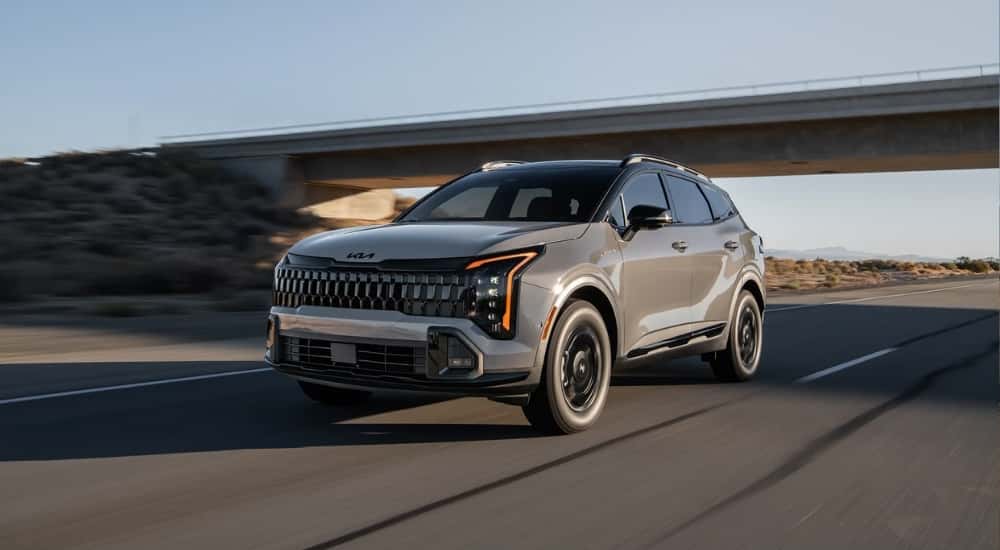
If you want to maximize your fuel efficiency, both the 2026 Kia Sportage and 2026 Hyundai Tucson have two hybrid powertrain options available, delivering identical horsepower and torque figures between the models. Both hybrid powertrain options yield high torque due to their electric assistance, which translates to faster off-the line acceleration, ideal for stop-start traffic.
Both models’ traditional hybrid powertrain is a 1.6L turbocharged I-4 with two electric motors that together produce 231 hp and 271 lb-ft of torque, recharging through regenerative braking. The plug-in hybrid powertrain has a 1.6L turbocharged I-4 paired with a 13.8-kWh battery pack and two electric motors, altogether producing 268 hp and 271 lb-ft of torque.
Where the 2026 Sportage takes the obvious lead is the fuel efficiency of its two hybrid powertrain options. While the 2026 Tucson makes 38 MPG combined with its traditional hybrid, and 35 MPG combined with its plug-in hybrid (or 77 MPGe when running on electricity alone), the Sportage makes as much as 42 MPG combined with its traditional hybrid and 36 combined (and 83 MPGe) with its plug-in hybrid.
Technology Upgrades
Advancements in automotive technology truly excel in a compact SUV, where convenience and safety are often primary concerns; this is also where technology features can improve your daily driving. A range of new features are included within the latest versions of the Sportage and Tucson, aiming to enhance your driving experience on all fronts.
Device integration is a key consideration, as bluetooth connectivity and USB charging ports can transform every trip into a more immersive and entertaining experience. Both models include wireless Apple CarPlay and Android Auto so you can easily connect your smart device to the infotainment interface.
Expansive Digital Displays
Core to the 2026 Sportage and 2026 Tucson are the 12.3-inch digital touchscreen interfaces at the center of the dashboard on every trim level. These infotainment systems are intuitive and easy to navigate, with a focus on driver assistance features and integration with your smart devices for enhanced entertainment, convenience, and ease of use.
The Kia Sportage can be upgraded further in high trim levels to include a panoramic display that combines the digital display with an expanded digital instrument cluster. The software interface of the Sportage is also better organized and provides quicker access when compared to that of the Hyundai Tucson, which leads to a more satisfying user experience.
Impressive Driver Assistance
In 2026, both the Hyundai Tucson and the Kia Sportage aim to capitalize on the latest driver assistance features with their own approaches to blind spot monitoring, collision avoidance, lane-keeping, and adaptive cruise control. These features enhance the everyday driving experience by improving awareness or adding convenience.
Although both models provide impressive safety technology, once again it boils down to accessibility and affordability. On top of more intuitive controls, the Sportage’s driver assistance features can be attained for a reduced entry price, making the Sportage the ideal choice for budget-conscious drivers who still want the benefits of modern tech features.
Which Compact SUV Is Better?
When comparing the 2026 Kia Sportage to the 2026 Hyundai Tucson, it’s immediately clear where the similarities lie, as both offer exceptional value with a number of shared strengths. Comfortable and spacious interiors, advanced safety technology, and available hybrid powertrains ensure that either model would make an excellent choice for families or commuters.
However, the affordability of the Kia Sportage means that all of the shared strengths of both models are accessible for a reduced overall cost. These significant savings can be put toward accessories, higher trim levels, or enhanced technology—for an ultimately more premium driving experience—if not redirected to personal uses.
The 2026 Sportage also excels in a number of key areas beyond affordability, such as a comfier cabin, more intuitive technology, and far superior fuel economy figures in both of its hybrid powertrain options. These benefits make the Kia Sportage the ideal choice over the otherwise-similar Hyundai Tucson.
Contact us today to book a test drive of the 2026 Kia Sportage and get a personalized experience to help you decide which of its trim levels suits you best. We here at Rusty Wallace Kia of Knoxville can help you compare models and discover a new SUV that perfectly answers your everyday driving needs.

0 comment(s) so far on How the 2026 Kia Sportage Tops the 2026 Hyundai Tucson